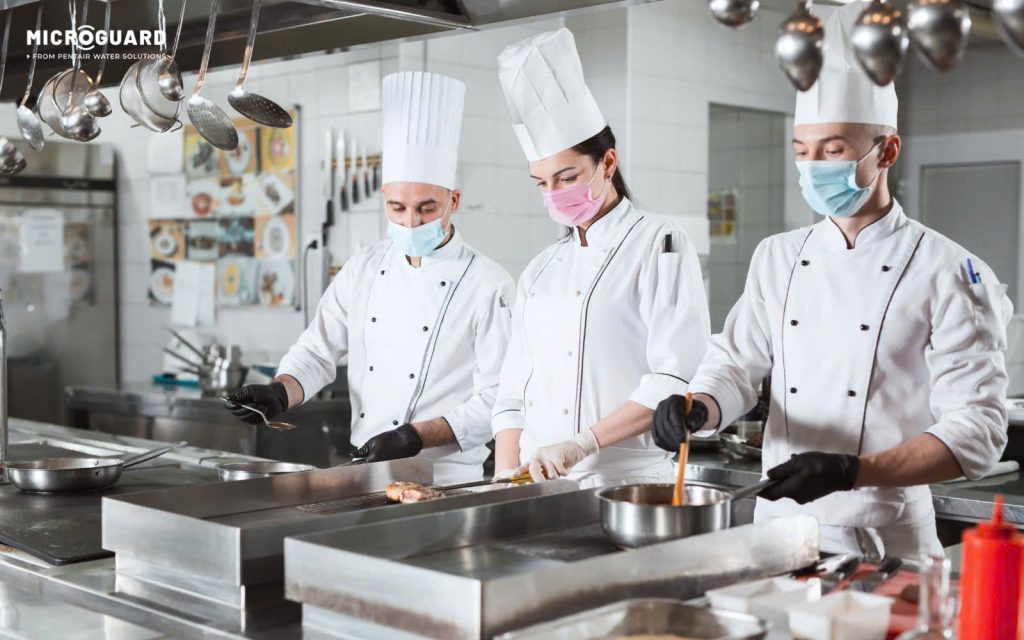
What Water Problems Emerge When your Kitchen Reaches Peak Demand?
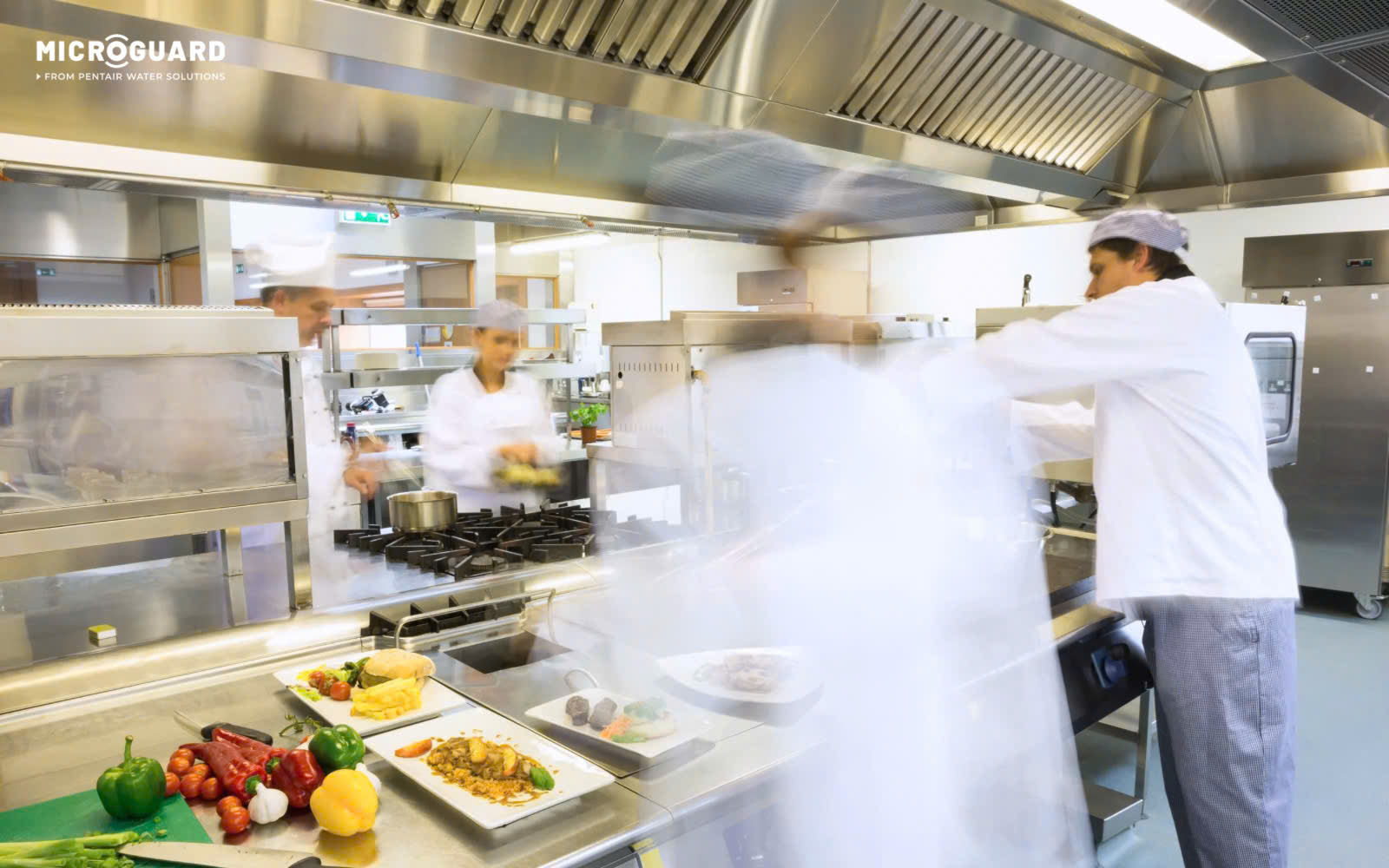
Peak season puts every part of a professional kitchen under greater pressure.
More covers mean more preparation, more cooking, more washing and longer equipment run times. Water is involved throughout that process, from rinsing ingredients and preparing food to supplying steam equipment and supporting cleaning operations.
During normal service, minor water-related issues may be easy to overlook. During peak demand, there is far less room for them to become disruptive.
Peak Demand Puts Water Under Pressure
A busy kitchen can draw significant volumes of water across multiple applications at the same time. Com-bi ovens are steaming, dishwashers are running, ingredients are being prepared and surfaces are being cleaned – often continuously throughout service.
At peak, several water-dependent systems may be drawing from the supply simultaneously, while steamers and com-bi ovens repeatedly heat water throughout service. If the incoming water contains minerals, sediment or other substances that require treatment, higher usage can make existing water-quality issues more consequential.
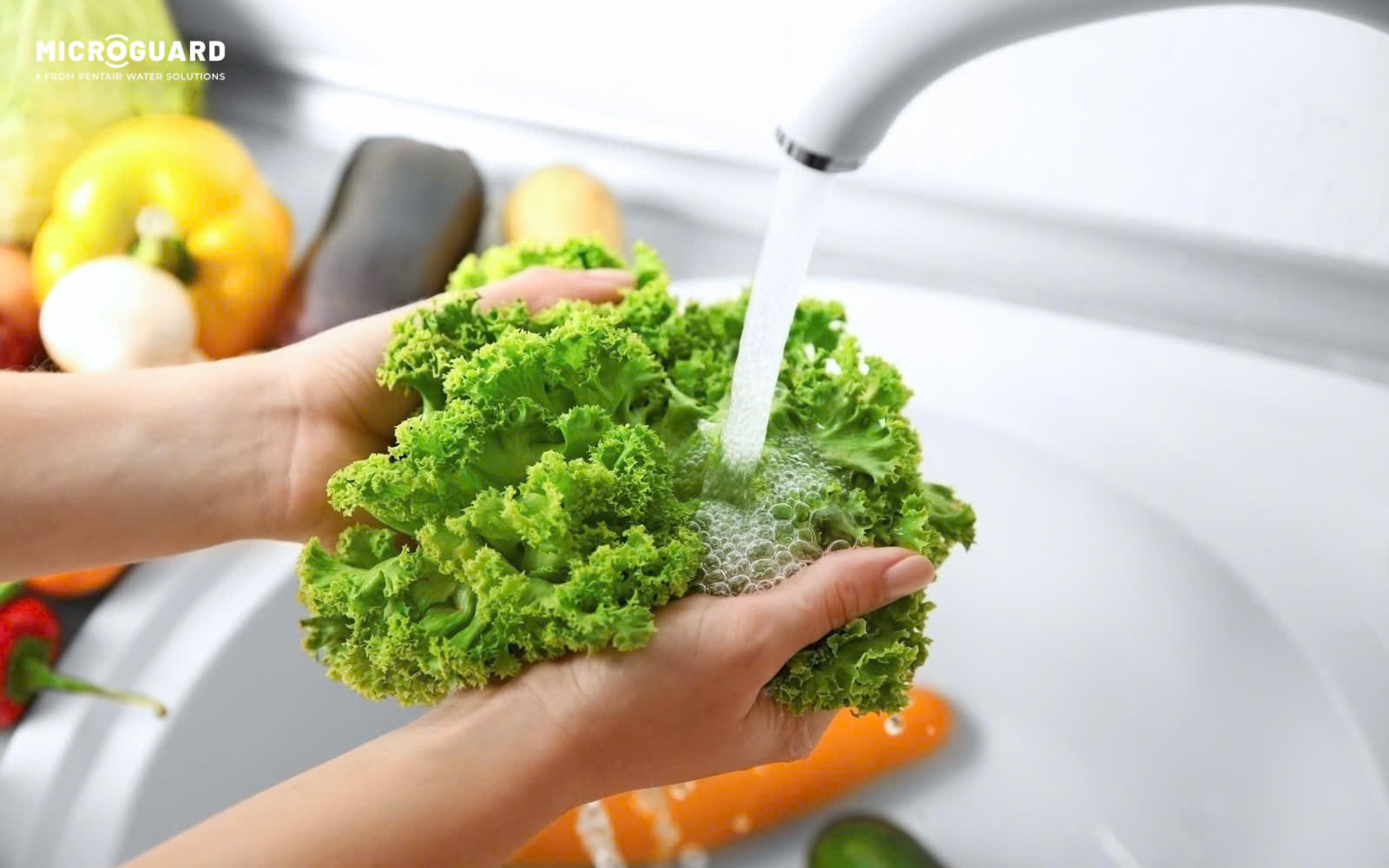
This makes water quality, available flow and treatment capacity relevant to kitchen performance. Peak demand does not change the water entering the restaurant; it leaves less margin for existing water-quality or treatment limitations to become apparent.
The Problems Start With the Water
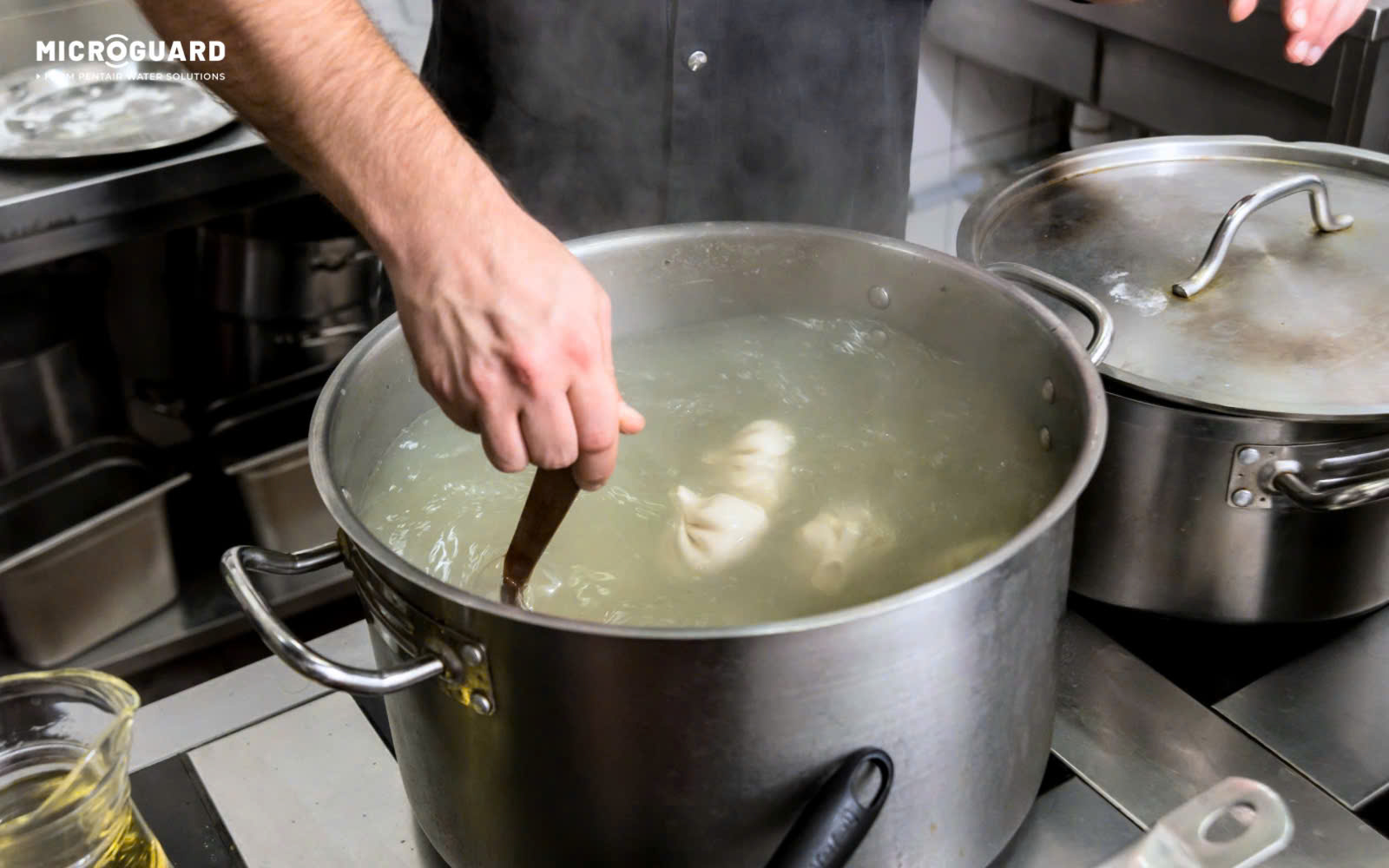
One common concern is mineral buildup.
Hard water contains calcium and magnesium that can accumulate as scale inside water-dependent equipment. Over time, this can increase cleaning and descaling requirements and may affect the performance of equipment such as steamers, com-bi ovens and dishwashers.
Other water-quality concerns can include sediment, particulates and chlorine or chloramine. Depending on the application and treatment system, these can affect the quality of water used in food preparation and other kitchen processes.
None of these issues necessarily causes an immediate operational failure. The concern is cumulative. When equipment is used heavily, the consequences of existing buildup, water-quality issues or maintenance requirements become harder to absorb.
At Peak, There Is Less Room for Problems
The real operational risk is often the timing.
A cleaning cycle, descaling requirement or equipment issue may be manageable during a quieter period. During peak service, the same interruption can compete directly with preparation and production.
That can mean additional maintenance, time spent troubleshooting, slower workflows or pressure on other equipment and team members. And when service slows, guests notice – through longer waits, inconsistent execution or a less reliable experience.
For a growing restaurant operation, recurring issues can also add up across locations. More equipment, higher water consumption and more intensive service make it increasingly important to manage avoidable variables before they begin affecting service performance and, ultimately, guest confidence.
Keep Water Quality Under Control With Microguard
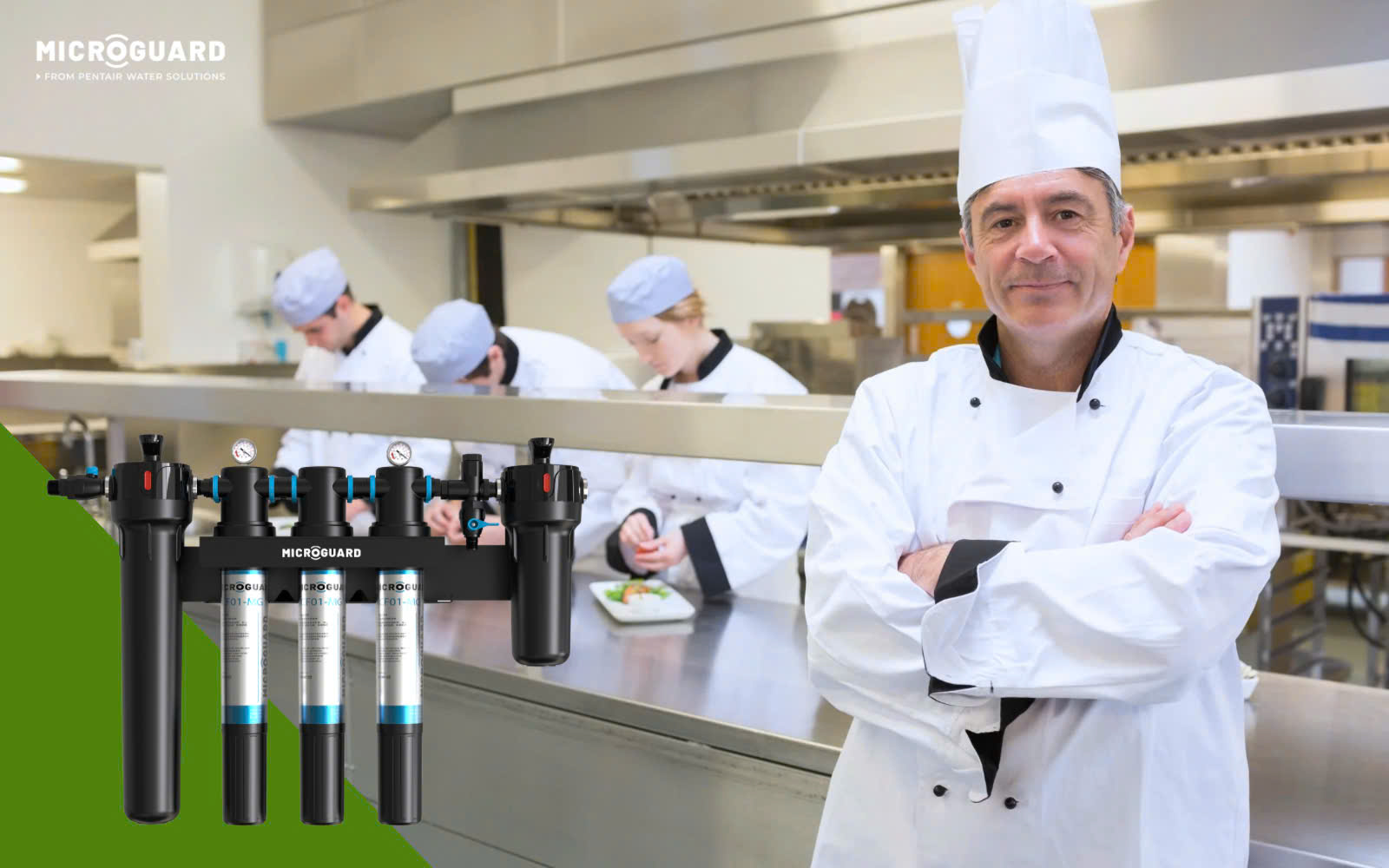
Peak service is the wrong time to discover that water quality has been putting pressure on your kitchen.
Microguard provides submicron filtration and high-flow capacity for demanding commercial kitchen applications, helping reduce particulates and unwanted substances such as chlorine or chloramine from the water supply.
Where scale is a concern, treatment should be matched to the site’s water conditions and equipment requirements.
Because when every oven, steamer, dishwasher and team member needs to keep moving, there is little room for avoidable disruption.
Prepare the water before peak demand. Protect the operation when it matters most.