Cold extraction starts with more than premium coffee and tea

Premium coffee and tea are only as good as the extraction process behind them.
As cold extraction becomes a more established part of professional beverage programs, operators need to look beyond the ingredient itself. The water, recipe, contact time and production conditions all influence what ultimately reaches the guest.
Among these variables, water is often the least visible – and one of the easiest to overlook.
Why Cold Extraction is Becoming Essential

Cold extraction is no longer simply a seasonal trend or menu novelty. Cold brew coffee is now a familiar format, while cold-extracted teas and other chilled preparations are creating new opportunities for cafés, restaurants and hotels.
Its staying power goes beyond consumer interest. Lower temperatures and longer contact times create flavour profiles that conventional hot brewing cannot replicate, giving beverage teams more flexibility to work with different coffees, teas and recipes.
It also fits the realities of professional service. Cold extraction can support batch preparation and advance production, making it practical for operations serving consistent volumes throughout the day.
Together, these factors make cold extraction a distinct preparation method – not a passing format – and one that operators increasingly need to understand and master.
Water Chemistry Becomes Part of the Recipe
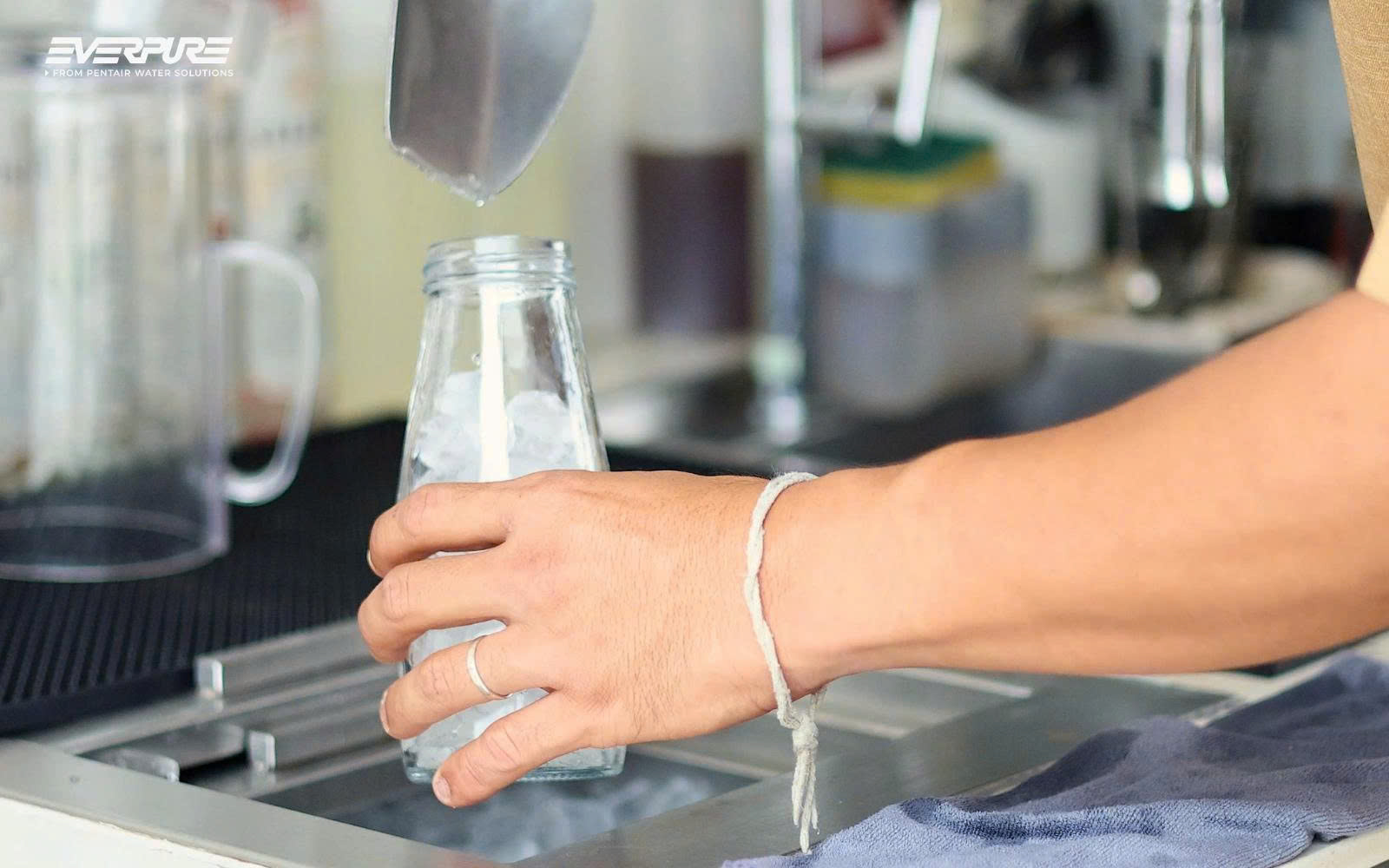
In any extraction, water is more than a carrier. Its chemical characteristics can influence how coffee and tea compounds are extracted and how the finished beverage tastes.
Hardness, mineral content, alkalinity and pH all contribute to the extraction environment. Chlorine and chloramine can introduce unwanted taste and odor, while sediment and other particulates can affect the quality of the water entering the process.
Cold extraction makes this particularly important because the coffee or tea remains in contact with the water for an extended period. What goes into the batch therefore becomes part of the extraction itself.
The goal is not to strip the water of everything. It is to understand the water required for the application and control the characteristics that can affect the intended result.
Small Water Differences Carry Hidden Costs
Cold extraction takes time, ingredients and careful preparation. When the process is not properly controlled, small variations can quickly become expensive.
An inconsistent batch may mean wasted coffee or tea, additional preparation time, recipe adjustments or product that cannot be served. At scale, those losses accumulate.
The impact also reaches the customer. Differences in flavour, strength or balance from one batch to another can make the same beverage feel less reliable – especially when customers expect the consistency of a professional beverage program.
Poor extraction control costs more than ingredients. It costs time, product and customer confidence.
Everpure for Cold Extraction Control
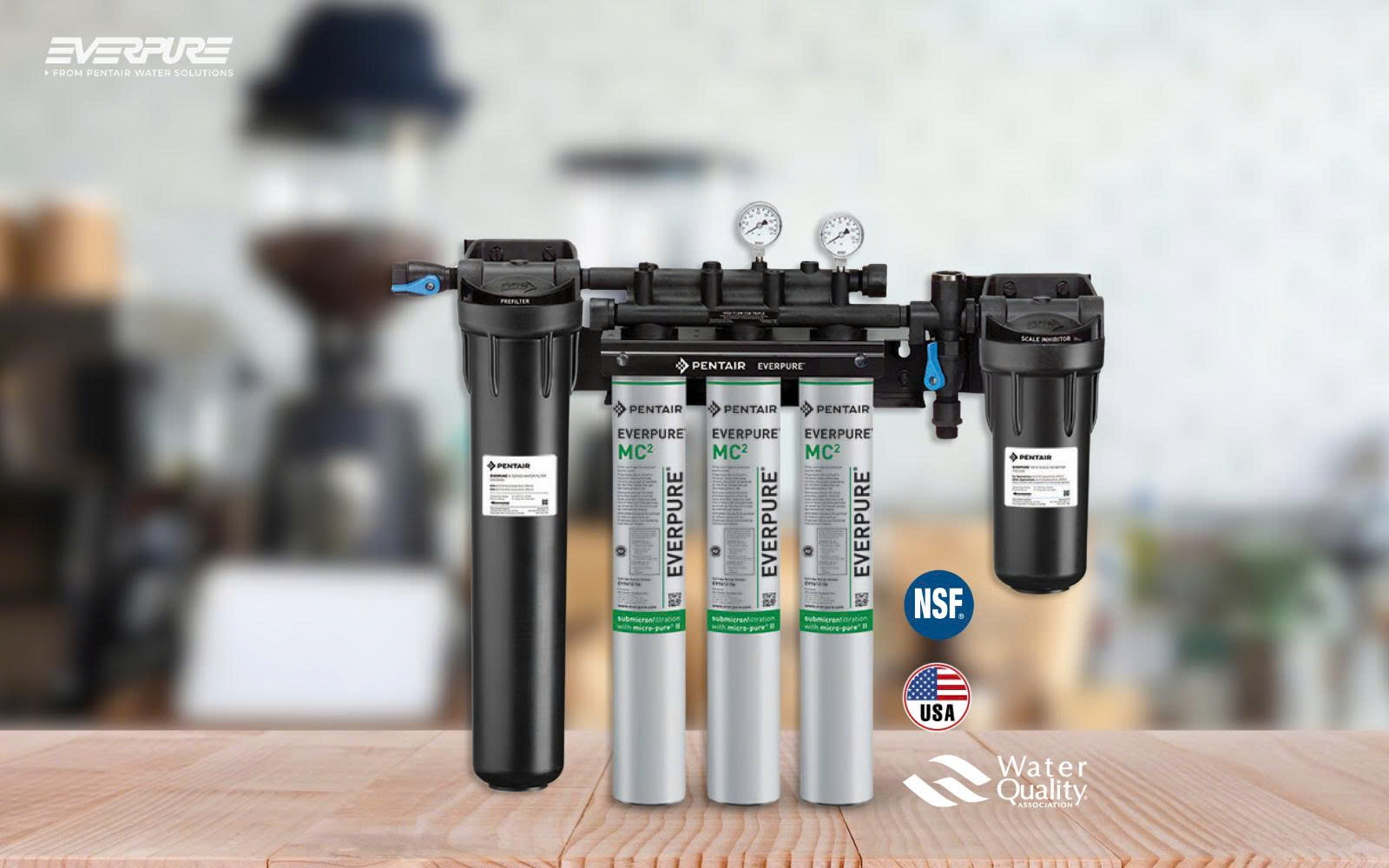
When cold extraction is produced at scale, water quality is not a variable to leave to chance.
Backed by Pentair’s 90 years of water-treatment expertise, Everpure brings proven foodservice filtration technology to beverage applications, including proprietary Micro-Pure™ media. Selected systems deliver filtration down to 0.2 microns with NSF/ANSI-certified performance for specific water-quality concerns.
Everpure addresses key challenges such as chlorine, chloramine and particulates, with dedicated treatment options for hardness and scale where required.
The result is greater control over every extraction. When every batch matters, the water behind it matters.