You Pay More for Clean Ingredients. What About the Water?

For many health-conscious families, better food is worth paying more for. Organic produce, A2 dairy, premium proteins and minimally processed foods are carefully chosen for the family table.
But one essential ingredient is often overlooked: the water used to prepare it.
From washing produce to rinsing rice and brewing coffee, water touches what your family eats every day. Yet its quality rarely receives the same scrutiny – even though it becomes part of the food you consume.
The Overlooked Part of a Clean Diet
This does not necessarily mean that tap water is unsafe. Municipal water supplies are treated to meet safety requirements, and disinfectants such as chlorine play an important role in controlling microorganisms as water travels through distribution systems.
The journey does not always end at the treatment plant, however. Before reaching the kitchen tap, water can pass through distribution networks, building plumbing, household pipes and storage systems. These factors can influence water quality at the point where it is ultimately used.
For households that already take a careful approach to food, this makes water quality a logical part of the conversation.
After all, the goal of a clean diet is not simply to buy better ingredients. It is to be more thoughtful about the entire journey from source to table.
What Touches Your Food Matters
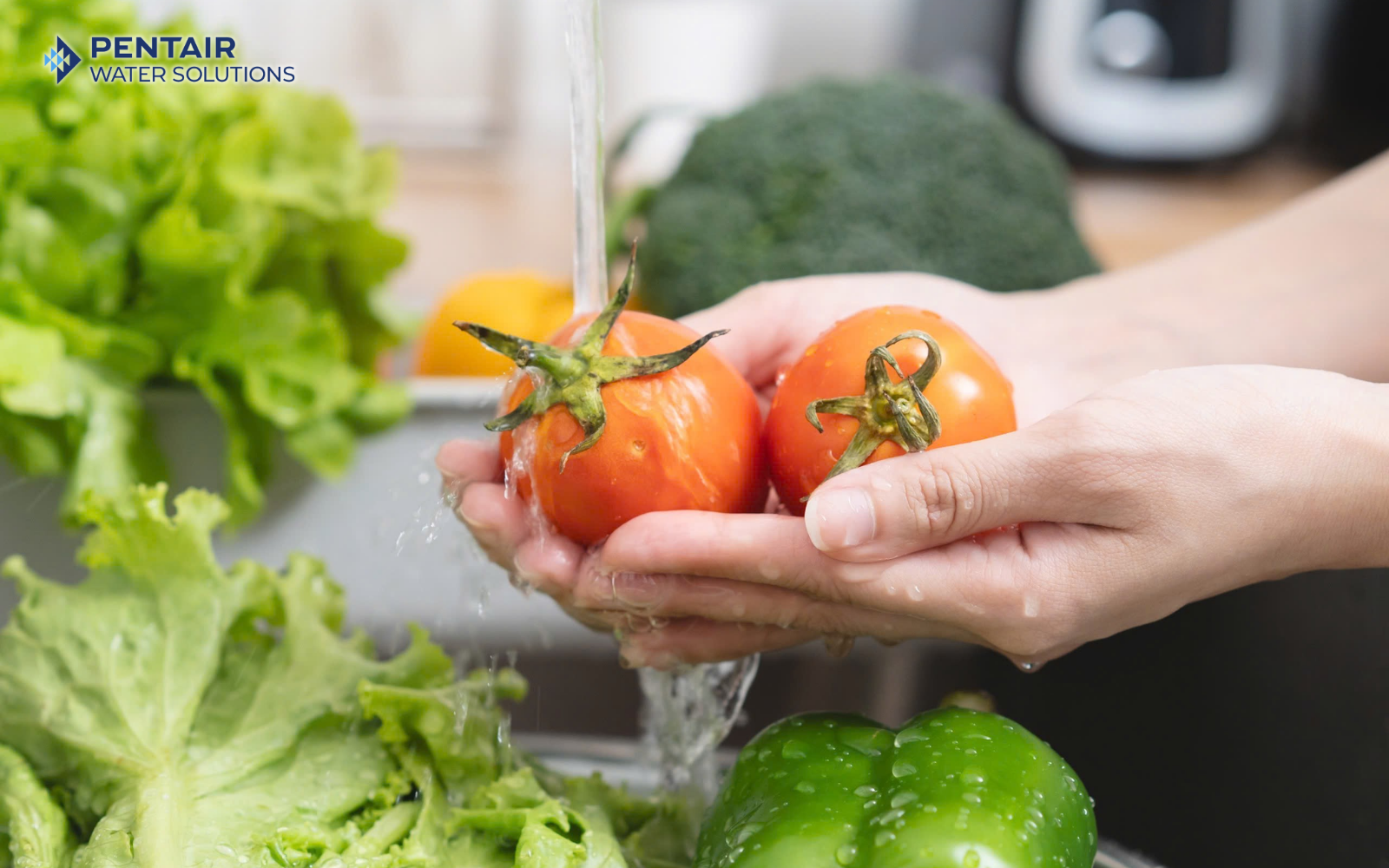
Water does more than rinse your food. It becomes part of the preparation process, from washing produce and rinsing rice to making soups, coffee and tea.
Common concerns can include chlorine, sediment and trace metals such as lead and copper. Some substances may also become more concentrated during cooking. When water is heated or reduced, for example, water evaporates while many dissolved substances remain behind. Boiling therefore does not remove every contaminant.
Point-of-use filtration provides an additional treatment step before water enters your food. For households that already invest in better ingredients, it is a practical way to apply the same attention to the water used to prepare them.
Filtration Should Fit Your Kitchen
For many households, the challenge is not seeing the value of filtration, but making it work in everyday life.
Bulky systems, slow flow, complicated installation or constant maintenance can make better water feel like another task.
The right system should do the opposite: fit seamlessly into the way your kitchen already works.
Better Water, Without Compromise
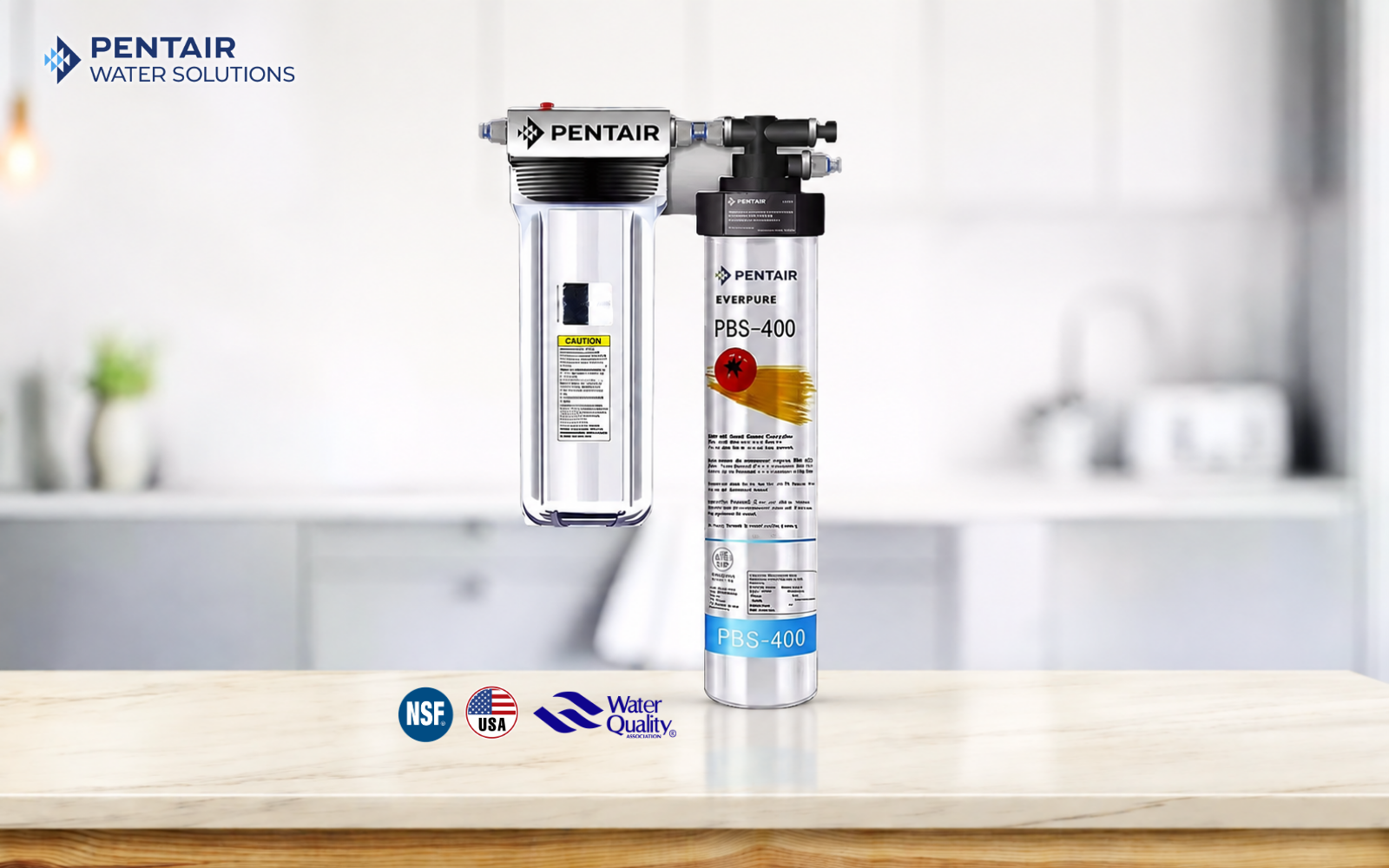
The Everpure Drinking Water System brings filtration directly to where water becomes part of your everyday cooking and preparation.
With 0.5-micron filtration, it is designed to reduce fine particles and specified contaminants, including lead and chlorine. Its NSF-certified filtration technology provides independently verified performance against specified contaminants.
And because it is designed for high-flow use, filtered water is there for more than filling a glass. It can be used to wash produce, rinse ingredients, fill a pot, prepare coffee and handle the everyday work of a well-used kitchen.
Because when you choose organic produce, specialty coffee, premium proteins and better ingredients, you are already paying attention to what goes into your food.
Why stop at the ingredients?
The water you use to prepare them deserves the same consideration.