Your Child’s Daily Water Exposure Adds Up In Unexpected Ways
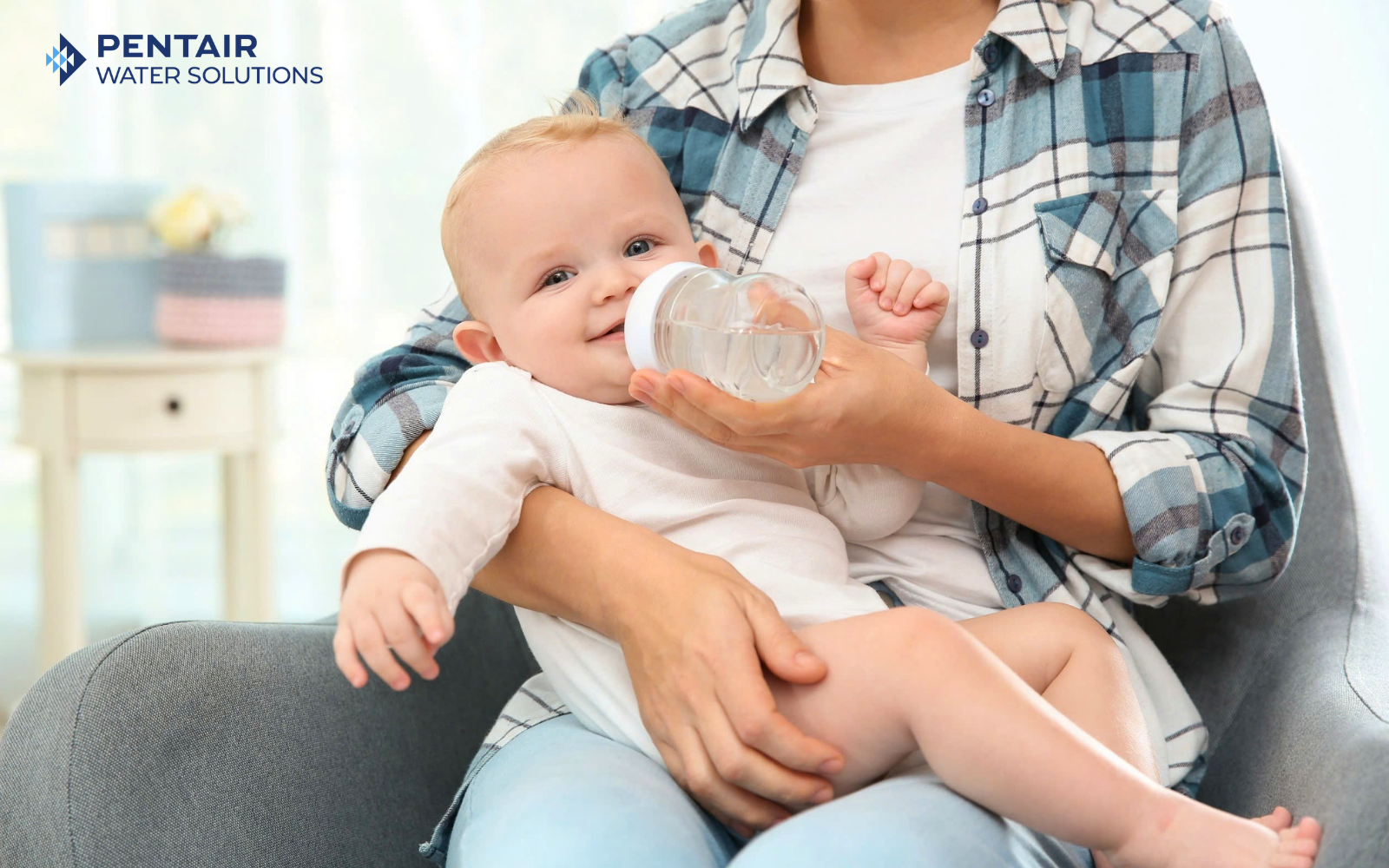
One glass of water is easy to think about. The water used across an entire day is harder to count.
For a young child, the same household water may appear in their morning formula, breakfast, washed fruit, lunch, afternoon drink and dinner. None of these moments looks significant on its own. But together, they create a pattern of repeated exposure that can continue day after day.
It Adds Up in Places You Don’t Count
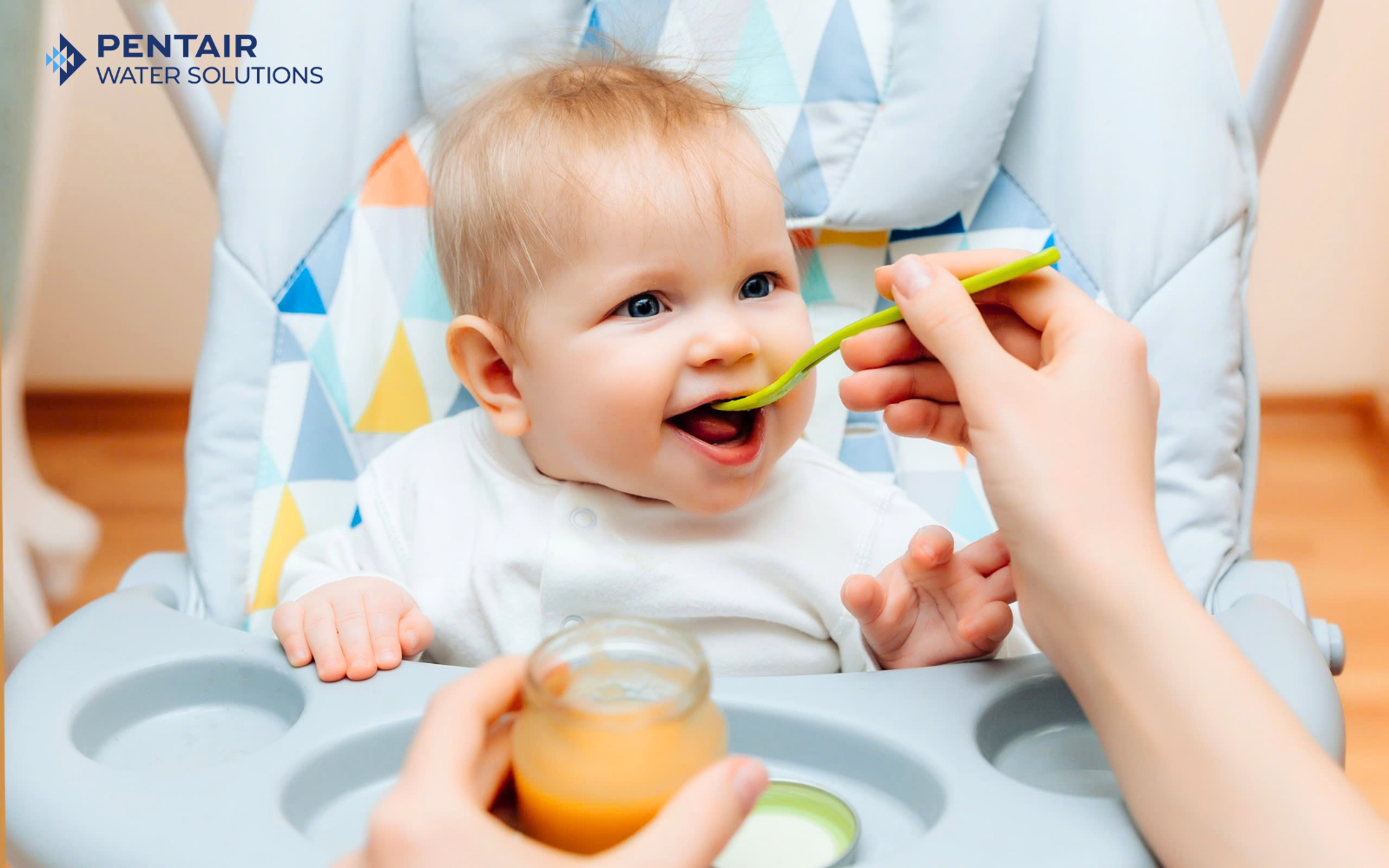
Water is often thought of as drinking water. But for a child, it goes much further – into formula, rice and soup, washed produce, and everyday drinks.
Even when they drink little plain water, they can still encounter it throughout the day.
And what matters is not only how water looks. In 2024, 2.1 billion people still lacked safely managed drinking water, according to WHO and UNICEF. Even treated municipal water can be affected by distribution systems, plumbing, fittings and storage before it reaches the tap.
Clear water can still contain what you cannot see.
The Problems You Cannot See
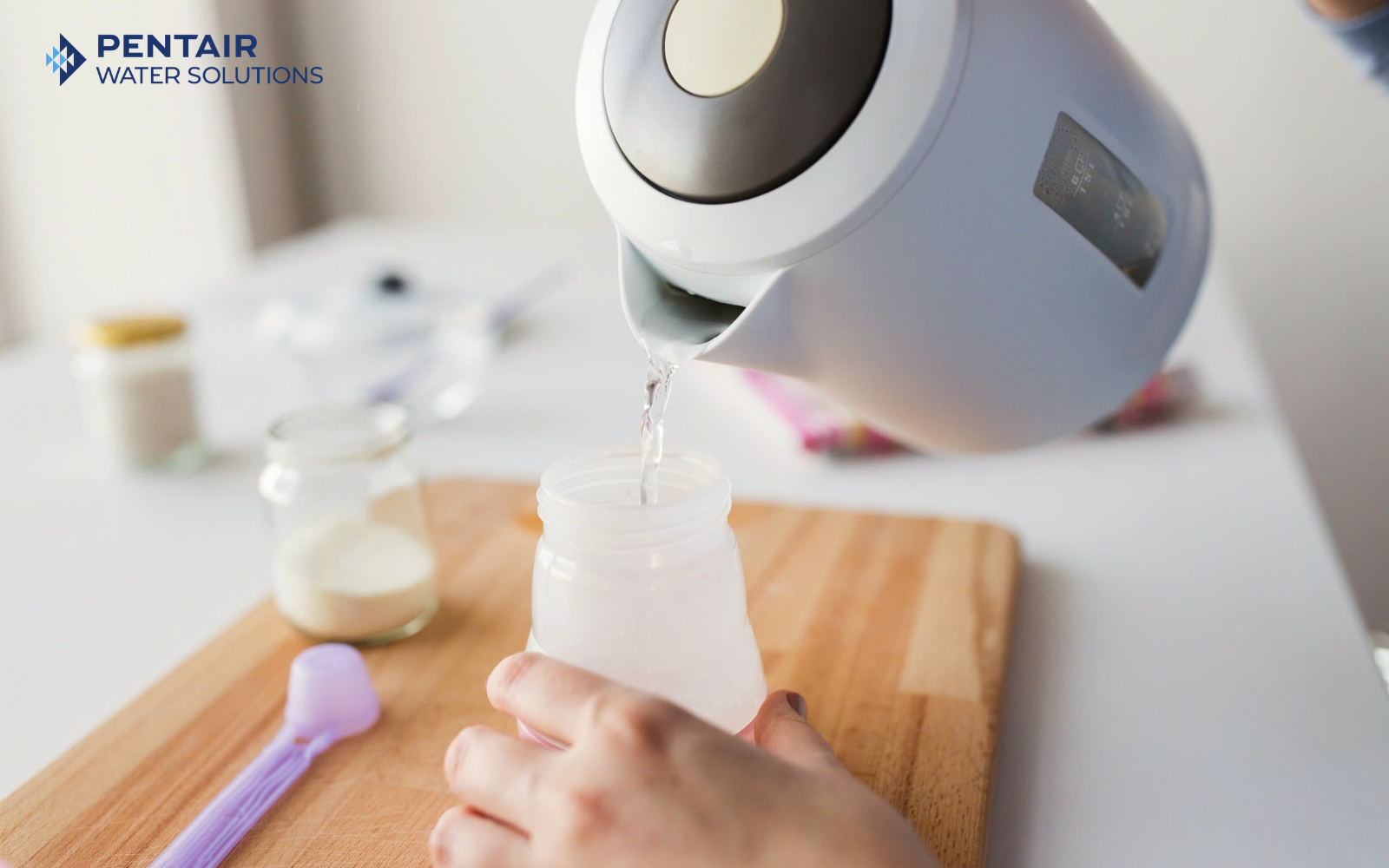
Some water-quality problems are invisible by nature. Water can look clear, taste normal and smell perfectly fine, yet still contain contaminants that only testing or filtration can detect.
Lead is one example. It can enter water through certain pipes, solder and fittings, and once dissolved, it is invisible to the senses. There is also no known safe level of lead exposure for children, making even low-level exposure a concern.
You can inspect an apple. You can read a food label. You cannot see what is dissolved in a glass of water.
When the same water is used for drinking, cooking and food preparation every day, what you cannot see still deserves attention.
When “Good Enough” Isn’t Always Enough
When parents want to make water safer, the instinct is often simple: boil it, buy bottled water, and move on.
Both can have a role. But neither is a universal answer to water contaminants.
Boiling can inactivate many bacteria, viruses and parasites, but it does not remove contaminants such as lead or many dissolved chemicals. Bottled water is regulated for safety, but its treatment and mineral content vary – and bottled does not automatically mean free from every contaminant.
The better question is not simply, “Is this water safe?” but “What exactly has been removed from it?”
When water is part of your child’s food and drinks every day, leaving certain contaminants unaddressed is a shortcut worth avoiding.
Make Every Drop Count

If your child’s water exposure goes far beyond the glass, your approach to water should too.
An Everpure Drinking Water System brings filtration into the everyday moments that matter – from preparing formula and cooking meals to washing fruit and filling a water bottle.
With NSF certification and 0.5-micron filtration, it is designed to reduce contaminants that you cannot see, including lead and chlorine. Not by changing the way water looks, but by addressing what may be hiding beyond the senses.
Because when the same household water touches your child’s food and drink day after day, water quality is not a one-glass decision.
It is something worth getting right at the source.